8 | Predictions (Network/Cable, Streaming, Online, Social, Gaming, or AI)

Horror has always been one of cinema's most adaptable––and often overlooked––genre, constantly reshaping itself to reflect audience fears and industry trends. The genre aims to evoke fear, dread, suspense, and surprise within viewers, utilizing themes of the unknown, unexplainable, and unsettling to provoke such strong emotional responses. Through murderers, creatures, monsters, the supernatural, abandoned houses, and possessed items, the genre relies on unsettling and atmospheric settings to invoke feelings of isolation and helplessness to excite watchers. And as these emotions are constantly evolving, so too is the horror genre to continue providing these intense experiences for watchers.
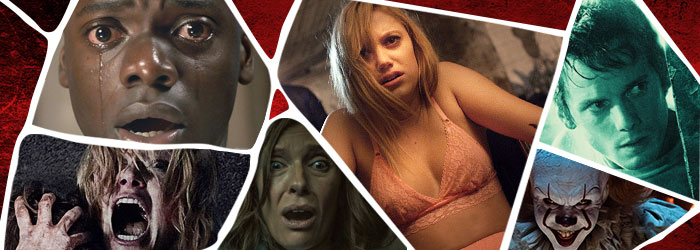
The Sequel Machine: Why Franchises Cannot Stop Producing Reboots and Expansions
If there's one thing the horror genre loves, it's a good sequel... many sequels. Why? Well, according to H. Drew Blackburn, audiences love being scared, quality is subjective in horror, seeing the same familiar face terrorizing a town can be fun, and, of course, money.


Franchises are becoming long-term investments rather than short-lived experiments. Studios have realized that horror fans are loyal, and recognizable movies are a safer bet than original concepts when it comes to box office returns.
Rather than investing in a new creature-feature that may flop, studios are confident that by expanding on an already-established universe, they'll procure more money. These films are no longer just retellings and rehashes of the same formula, but are instead leaning more into the storytelling aspects: character development and backstory, expanded universes, and deeper histories. While there are exceptions, this "soft reboot" model––where a sequel doubles as a continuation and a reintroduction––is becoming the standard. As the horror genre develops and movies continue to be made, we can expect more interconnected timelines, surprise character returns, and carefully constructed franchise lore.
At the heart of this change is nostalgia. Nostalgia has been one of Hollywood's most reliable currencies, and horror cashes in on this heavily. Audiences are loyal, but nostalgia also drives them to re-experience the stories that gripped them as children. Familiar villains, retro aesthetics, callbacks to earlier films, and retellings of classics are interesting to both new and longtime fans.
What makes horror particularly suited to nostalgia is its iconic imagery. Masks, monsters, sound cues, and settings stick with watchers in a way that few genres can replicate. As a result, studios are constantly trying to mimic the past for the same tone and atmosphere to continue producing blockbuster hits, but with new technological developments. This trend, this nostalgia-driven gravy train, isn't going away anytime soon. If anything, it will intensify as generations get older and begin to feel nostalgic for the horror movies of the 2000s and 2010s.


[Pictures above lead to sources.]
For years, horror has been overlooked by major awards, often dismissed as less "serious" than other genres. By their very nature, horror movies are meant to be challenging and force audiences into unthinkable situations and events. But for awards, horror films are deemed as inferior.
Hopefully, this perception will start to switch. More horror films are being recognized for their craftsmanship, performances, and thematic depth, but they still have ways to go. While this doesn't mean that every slasher flick will receive surplus awards, it does mean that elevated horror––the films that blend scares with social commentary and artistic ambition––will continue gaining traction. As studios see the potential in horror, of the uncomfortable and terrifying, for both commercial and critical acclaim, they'll be more willing to invest in ambitious projects. The result is a genre that'll hopefully become more diverse and centered on the same stage as every other film.
Where This All Leads
The future of horror looks familiar and new. Sequels and nostalgia will continue to dominate the genre and commercial side, while awards and recognition push the genre into fresh territory. The genre offers something familiar to watchers while being introduced to something unfamiliar as a whole.
Horror has always reflected our fears, but the genre will continue to do fearful things itself. By balancing risk, safety, familiarity, and originality, the genre will push into the industry itself and become something worth noting. The next wave of horror won't be just what scares us, but also what garners attention and reimagines worlds and creatures that will continue to excite, scare, and reach audiences.


Comments
Post a Comment